Discover the causes, symptoms, diagnosis, treatments, and long-term management of hemiplegia, with expert insights from Accesscure and Dr. Bhaskar.
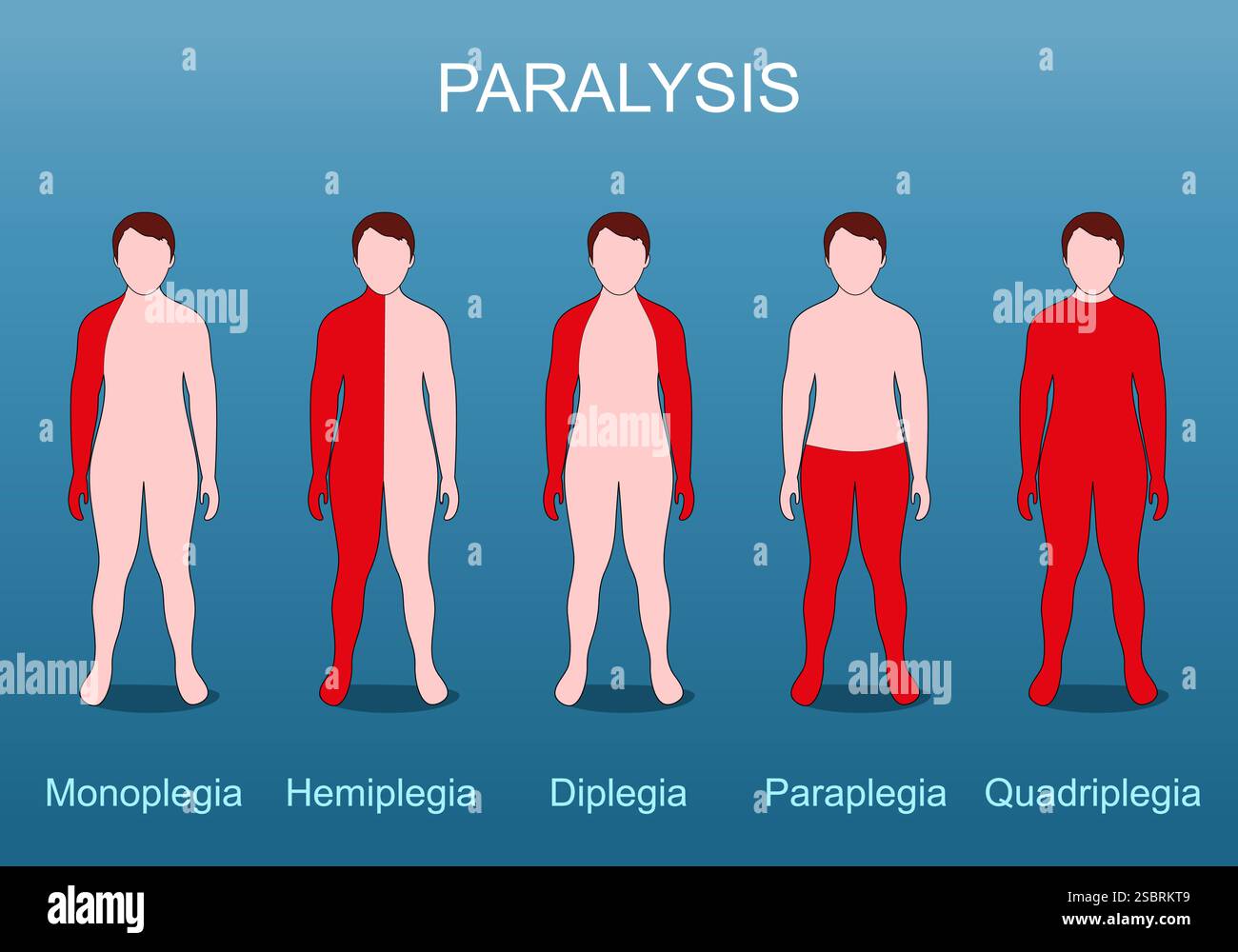
Hemiplegia is a serious neurological condition characterized by the complete or partial paralysis of one side of the body. Often caused by damage to the brain or spinal cord, hemiplegia can drastically alter a person’s quality of life, mobility, and independence. However, with early intervention, advanced therapy, and holistic care, recovery and rehabilitation are possible.
At Accesscure, under the expert guidance of Dr. Bhaskar, a leading neurologist and rehabilitation specialist, patients with hemiplegia receive evidence-based, compassionate, and comprehensive care. This article will walk you through every aspect of hemiplegia: from causes to care, signs to solutions.
Table of Contents
- What is Hemiplegia?
- Hemiplegia vs Hemiparesis: What’s the Difference?
- Types of Hemiplegia
- Causes of Hemiplegia
- Symptoms of Hemiplegia
- How is Hemiplegia Diagnosed?
- Role of Brain and Spinal Cord in Hemiplegia
- Risk Factors
- Complications Associated with Hemiplegia
- Pediatric Hemiplegia: Early Detection in Children
- Living with Hemiplegia in Adulthood
- Treatment Options for Hemiplegia
- Physical Therapy and Rehabilitation
- Speech and Occupational Therapy
- Medications and Medical Interventions
- Role of Assistive Devices
- Nutrition and Lifestyle in Hemiplegia Recovery
- Psychological Impact and Mental Health
- Dr. Bhaskar’s Approach to Holistic Hemiplegia Care
- Accesscure’s Advanced Neuro-Rehabilitation Programs
- FAQs About Hemiplegia
- Final Thoughts: Living a Fulfilling Life Post-Hemiplegia
1. What is Hemiplegia?
Hemiplegia is a condition where one vertical half of the body becomes paralyzed, usually due to brain damage affecting the motor pathways. This paralysis can affect the arm, leg, and facial muscles on the same side.
It is not a disease but a symptom or result of another underlying neurological event, such as a stroke, traumatic brain injury, or cerebral palsy.
2. Hemiplegia vs Hemiparesis: What’s the Difference?
These terms are often confused, but they signify different levels of motor impairment:
- Hemiplegia: Complete paralysis of one side of the body.
- Hemiparesis: Partial weakness or limited movement on one side.
At Accesscure, precise neurological evaluations conducted by Dr. Bhaskar help differentiate these conditions and create tailored treatment plans for both.
3. Types of Hemiplegia
Understanding the type of hemiplegia is crucial for treatment:
a. Congenital Hemiplegia
Occurs due to brain damage before, during, or shortly after birth. Often associated with cerebral palsy.
b. Acquired Hemiplegia
Results from an event such as a stroke, tumor, or accident later in life.
c. Spinal Hemiplegia
Rare, caused by injury to the spinal cord, typically resulting in less facial involvement.
Dr. Bhaskar’s detailed assessments at Accesscure help identify the type and cause for precise rehabilitation strategies.
4. Causes of Hemiplegia
Hemiplegia arises from damage to the motor control centers of the brain or spinal cord. Common causes include:
- Stroke (Ischemic or Hemorrhagic) – The most common cause.
- Traumatic Brain Injury (TBI)
- Brain Tumors
- Cerebral Palsy
- Multiple Sclerosis
- Infections like meningitis or encephalitis
- Genetic conditions
- Neurological diseases
Dr. Bhaskar emphasizes the importance of identifying the underlying cause through imaging and diagnostic tools like MRI, CT scans, and nerve conduction studies.
5. Symptoms of Hemiplegia
The symptoms of hemiplegia vary depending on severity and the region of the brain affected. Key signs include:
- Paralysis on one side (right or left)
- Muscle stiffness or spasticity
- Lack of coordination or balance
- Difficulty in walking
- Speech difficulties
- Facial drooping
- Loss of fine motor skills
- Emotional lability or cognitive changes
At Accesscure, every symptom is carefully documented to build an accurate clinical picture for effective rehabilitation.
6. How is Hemiplegia Diagnosed?
Accurate diagnosis is essential for treatment. The process usually involves:
- Medical history review
- Neurological examination
- Brain imaging (MRI, CT scan)
- Electromyography (EMG)
- Blood tests to rule out infections or metabolic causes
Accesscure’s in-house diagnostic center ensures a fast and accurate diagnosis, overseen by Dr. Bhaskar for personalized treatment planning.
7. Role of Brain and Spinal Cord in Hemiplegia
Damage to specific brain areas can result in hemiplegia. The most commonly affected regions are:
- Motor Cortex – Controls voluntary movement.
- Internal Capsule – A key brain pathway for motor fibers.
- Brainstem – When affected, it can cause “crossed hemiplegia.”
- Cervical Spine – Rare but possible site for hemiplegia due to trauma.
Understanding the neuroanatomy is crucial in rehabilitation—a key strength of Dr. Bhaskar’s expertise.
8. Risk Factors
Some individuals are more likely to develop hemiplegia due to:
- Hypertension
- Diabetes
- High cholesterol
- Smoking
- Obesity
- Sedentary lifestyle
- Genetic predisposition
- Birth complications (for congenital hemiplegia)
Accesscure’s prevention program includes public health education about stroke and lifestyle management.
9. Complications Associated with Hemiplegia
If left untreated, hemiplegia can lead to:
- Muscle atrophy
- Joint contractures
- Bedsores
- Depression and anxiety
- Social withdrawal
- Increased risk of secondary strokes
- Reduced quality of life
Accesscure’s integrative model includes preventive care, mental health support, and family counseling.
10. Pediatric Hemiplegia: Early Detection in Children
In children, signs can be subtle. Parents should watch for:
- Delayed milestones (like crawling, walking)
- Preferential use of one hand
- Poor balance
- Stiff or floppy limbs
- Difficulty in feeding or speech
Accesscure’s pediatric division, led by Dr. Bhaskar, uses child-friendly assessment tools and therapy approaches tailored for neuroplasticity in growing brains.
11. Living with Hemiplegia in Adulthood
Hemiplegia can pose significant challenges for adults, including:
- Loss of job or productivity
- Struggles with personal hygiene
- Dependency on caregivers
- Limited social interaction
- Emotional distress
However, with the right multidisciplinary support, adults can regain independence. At Accesscure, Dr. Bhaskar leads adult rehabilitation programs that integrate occupational therapy, physiotherapy, psychological counseling, and lifestyle coaching.
12. Treatment Options for Hemiplegia
The treatment plan for hemiplegia depends on the cause, severity, and age of the patient. The goals are to:
- Restore as much function as possible
- Prevent complications
- Promote psychological well-being
- Improve quality of life
Key Treatment Modalities Include:
- Medical management of the underlying cause (e.g., stroke, tumor, infection)
- Neuro-rehabilitation
- Therapeutic interventions
- Lifestyle changes and home modifications
Each patient at Accesscure receives a customized treatment plan, developed and monitored personally by Dr. Bhaskar.
13. Physical Therapy and Rehabilitation
Physical therapy is the cornerstone of hemiplegia recovery.
Goals:
- Strengthen muscles
- Improve range of motion
- Restore balance and coordination
- Re-train gait and posture
Accesscure’s Unique Approach:
- Robotic-assisted therapy
- Mirror therapy for motor retraining
- Neuromuscular electrical stimulation (NMES)
- Virtual reality-based motor recovery
- Hydrotherapy in select cases
Under Dr. Bhaskar’s supervision, therapists use task-oriented and evidence-backed protocols to enhance functional recovery.
14. Speech and Occupational Therapy
Speech Therapy:
For patients with aphasia or difficulty speaking, speech therapy is essential. Techniques include:
- Language exercises
- Picture association games
- Repetition and phonation drills
- Alternative communication devices
Occupational Therapy:
This focuses on daily tasks such as dressing, cooking, and personal grooming. Activities are broken into simpler tasks, enabling patients to regain independence.
Accesscure’s integrated team ensures that therapies happen in coordination, maximizing recovery outcomes.
15. Medications and Medical Interventions
While hemiplegia is primarily managed through therapy, medications may be prescribed to address:
- Muscle spasticity (e.g., baclofen, tizanidine)
- Neuropathic pain (gabapentin, pregabalin)
- Depression or anxiety (SSRIs)
- Seizures (if present)
In some cases, surgical interventions such as tendon release or baclofen pumps may be used for spasticity. Dr. Bhaskar carefully evaluates all options before recommending invasive procedures.
16. Role of Assistive Devices
Assistive tools can significantly improve mobility and independence:
- Wheelchairs and walkers
- Ankle-foot orthoses (AFOs)
- Hand splints or braces
- Adaptive utensils for eating
- Voice-activated technology for communication
Accesscure also conducts training workshops for patients and caregivers on using assistive devices effectively at home.
17. Nutrition and Lifestyle in Hemiplegia Recovery
Nutrition plays a vital role in healing the nervous system and improving energy levels.
Recommended Nutritional Focus:
- High-protein diet for muscle rebuilding
- Omega-3 fatty acids for brain health
- Adequate hydration
- Vitamin D and B-complex supplementation
- Antioxidants to fight inflammation
Accesscure offers personalized diet plans created by in-house nutritionists who collaborate with Dr. Bhaskar for optimal recovery support.
18. Psychological Impact and Mental Health
Hemiplegia often results in:
- Depression
- Anxiety
- Mood disorders
- PTSD (especially in stroke or accident survivors)
Accesscure integrates psychological therapy as a routine part of its rehab model. Dr. Bhaskar ensures that mental wellness is addressed through:
- Cognitive behavioral therapy (CBT)
- Group therapy sessions
- Motivational counseling
- Art and music therapy
These programs foster resilience, hope, and self-esteem in patients.
19. Dr. Bhaskar’s Approach to Holistic Hemiplegia Care
Dr. Bhaskar is known for his patient-first, neuroscience-driven rehabilitation model. His approach combines:
- Precise diagnostics
- Multi-angle therapy plans
- Holistic and integrative healing
- Family involvement in recovery
- Compassionate long-term support
He believes that every individual, no matter the severity of hemiplegia, deserves a chance to heal, grow, and thrive.
20. Accesscure’s Advanced Neuro-Rehabilitation Programs
At Accesscure, the vision is clear: Total Recovery, Inside and Out.
Key Features:
- Multispecialty team (neurologists, therapists, psychologists)
- State-of-the-art rehab equipment
- Daily progress tracking
- Virtual therapy options for remote patients
- Custom care plans
- Home-care training for caregivers
Accesscure has successfully treated hundreds of hemiplegia patients, many of whom now lead independent, dignified lives.
21. FAQs About Hemiplegia
1. Can hemiplegia be cured completely?
Recovery varies. Some patients regain full function; others may have lasting weakness. Early, intensive therapy offers the best chance of recovery.
2. How long does recovery take?
It depends on the cause and treatment quality. Stroke-related hemiplegia may show major improvements within 6 months to a year with consistent rehab.
3. Is hemiplegia painful?
Not always. Some patients experience neuropathic pain or spasticity, which can be managed through medication and therapy.
4. Can children with hemiplegia live normal lives?
Yes. With early intervention, therapies, and school support, many children lead full, productive lives.
22. Final Thoughts: Living a Fulfilling Life Post-Hemiplegia
Hemiplegia is a life-altering diagnosis, but not a life-ending one. With early diagnosis, advanced treatment, and unwavering support from professionals like Dr. Bhaskar at Accesscure, recovery is not just possible—it’s a reality for many.
This journey demands patience, courage, and support. At Accesscure, you’re not just a patient. You’re a person with potential, power, and purpose.
💡 Want to book a consultation with Dr. Bhaskar?
Visit Accesscure today to explore our hemiplegia recovery programs, virtual sessions, and in-clinic therapy options.