Discover the causes, symptoms, treatments, and recovery options for paraplegia in this comprehensive guide, with insights from Accesscure and expert care by Dr. Bhaskar.
Paraplegia is a life-altering condition that significantly impacts an individual’s ability to move and function independently. With modern advancements in medicine, especially through the focused care provided by professionals like Dr. Bhaskar at Accesscure, individuals living with paraplegia can lead fulfilling lives. This guide explores everything you need to know about paraplegia—from causes and diagnosis to treatment and rehabilitation.
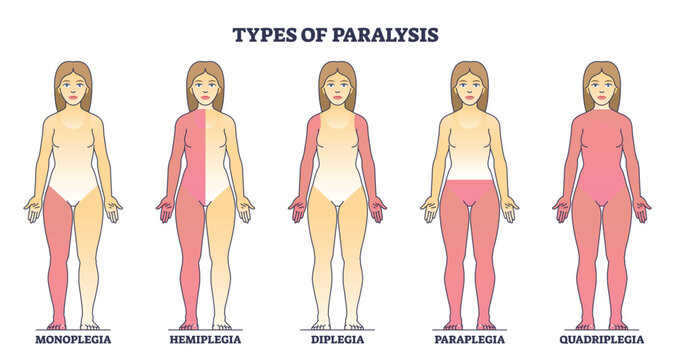
Table of Contents
- What is Paraplegia?
- Types of Paraplegia
- Causes of Paraplegia
- Symptoms and Early Signs
- Diagnosis of Paraplegia
- The Impact on Daily Life
- Role of Neurological Rehabilitation
- Treatment Options for Paraplegia
- Physiotherapy and Occupational Therapy
- Role of Accesscure in Managing Paraplegia
- Dr. Bhaskar’s Expertise in Neurological Recovery
- Assistive Devices and Technology
- Psychological Support and Counseling
- Lifestyle Modifications and Tips
- Prognosis and Long-Term Outlook
- Prevention and Risk Reduction
- Real-Life Stories and Case Studies
- FAQs on Paraplegia
- Conclusion
1. What is Paraplegia?
Paraplegia refers to the loss of motor and/or sensory function in the lower half of the body, typically due to damage to the spinal cord. It often affects both legs and the lower trunk and may result in partial or complete paralysis.
Unlike quadriplegia, which affects all four limbs, paraplegia is restricted to the lower extremities. The severity and extent of the paralysis depend on the level and completeness of spinal cord damage.
2. Types of Paraplegia
There are two major classifications:
- Complete Paraplegia: Total loss of motor and sensory function below the injury level.
- Incomplete Paraplegia: Partial preservation of sensory or motor function below the level of injury.
Other Subtypes:
- Flaccid Paraplegia: Muscles become soft and weak with minimal reflexes.
- Spastic Paraplegia: Muscles are stiff and tight due to increased muscle tone.
3. Causes of Paraplegia
3.1 Traumatic Causes
- Motor vehicle accidents
- Falls
- Sports injuries
- Violence (e.g., gunshots, stabbing)
3.2 Non-Traumatic Causes
- Spinal cord tumors
- Infections (e.g., tuberculosis, meningitis)
- Multiple sclerosis
- Transverse myelitis
- Congenital defects like spina bifida
At Accesscure, accurate identification of the root cause is a critical first step in personalized treatment planning.
4. Symptoms and Early Signs
- Loss of sensation or numbness in the legs
- Muscle weakness or paralysis
- Bowel and bladder dysfunction
- Loss of sexual function
- Spasms or involuntary movements
- Pain or pressure in the back
Dr. Bhaskar emphasizes early recognition and intervention for optimal recovery outcomes.
5. Diagnosis of Paraplegia
Diagnostic Tools:
- MRI and CT Scans: To assess spinal cord damage
- X-rays: For visualizing fractures or bone damage
- Neurological exams: Reflexes, muscle strength, and sensory response tests
- Electromyography (EMG): Evaluates muscle activity
6. The Impact on Daily Life
Paraplegia affects not just mobility but every aspect of life, including:
- Employment challenges
- Sexual health
- Mental health issues like depression and anxiety
- Social isolation
Accesscure adopts a holistic model of care that includes physical, emotional, and social dimensions to support patients fully.
7. Role of Neurological Rehabilitation
Rehabilitation is a cornerstone of recovery. It involves:
- Strength training
- Functional mobility exercises
- Adaptive techniques
- Vocational training
Accesscure’s neurological rehab center, led by Dr. Bhaskar, is renowned for creating patient-specific rehab programs that enhance independence and quality of life.
8. Treatment Options for Paraplegia
8.1 Medical Treatments
- Corticosteroids (for spinal inflammation)
- Antispasmodics
- Pain management medications
8.2 Surgical Interventions
- Spinal decompression
- Vertebral fusion
- Tumor removal
8.3 Advanced Therapies
- Stem cell therapy
- Epidural stimulation
- Exoskeleton-assisted walking
Dr. Bhaskar stays at the forefront of medical research to offer cutting-edge treatment options tailored to each patient’s condition.
9. Physiotherapy and Occupational Therapy
Physiotherapy Goals:
- Improve muscle strength
- Enhance blood circulation
- Prevent muscle atrophy
Occupational Therapy:
- Relearning daily tasks
- Use of assistive equipment
- Home and workplace adaptations
Accesscure’s therapy sessions are outcome-driven, empowering patients with tools and techniques for better functional independence.
10. Role of Accesscure in Managing Paraplegia
Accesscure stands out due to:
- Multidisciplinary team approach
- Personalized treatment protocols
- Patient-centered goals
- Innovative technology integration
Whether it’s improving bladder control or enabling independent walking with devices, Accesscure’s rehabilitation center, under Dr. Bhaskar’s supervision, transforms lives.
11. Dr. Bhaskar’s Expertise in Neurological Recovery
Dr. Bhaskar is a pioneer in the rehabilitation of spinal cord injuries, known for:
- Evidence-based clinical practice
- Use of cutting-edge neuro-rehab protocols
- Compassionate and individualized care
Patients often describe him as a “miracle doctor” for his ability to turn around even the most complex cases.
12. Assistive Devices and Technology
- Wheelchairs (manual and powered)
- Mobility scooters
- Standing frames
- Home automation systems
- Smart beds and adaptive switches
Accesscure guides patients through choosing and training in the best assistive technology for their needs.
13. Psychological Support and Counseling
Living with paraplegia can be emotionally overwhelming. That’s why psychological support is crucial.
- Individual counseling
- Group therapy
- Family education and support
Accesscure integrates mental health into its core care model, ensuring emotional wellness along with physical health.
14. Lifestyle Modifications and Tips
- Follow a balanced diet rich in fiber
- Stay hydrated
- Prevent pressure sores through regular repositioning
- Exercise regularly with guided support
- Maintain a healthy sleep routine
Dr. Bhaskar’s rehabilitation programs include tailored lifestyle guidance to enhance overall well-being.
15. Prognosis and Long-Term Outlook
Recovery from paraplegia varies. Factors that influence outcomes include:
- Level of spinal cord injury
- Speed of treatment
- Rehabilitation intensity
- Psychological resilience
Accesscure aims to maximize potential recovery and empower patients for long-term success.
16. Prevention and Risk Reduction
While not all causes of paraplegia are preventable, many injuries and complications can be reduced through awareness and proactive measures:
16.1 Preventive Strategies:
- Wear seat belts and follow road safety rules
- Use protective gear during sports and high-risk activities
- Maintain a healthy lifestyle to prevent conditions like diabetes, which can lead to neuropathic complications
- Seek immediate treatment for infections and inflammation that may affect the spinal cord
- Regular medical checkups for early detection of spinal tumors or abnormalities
At Accesscure, preventive education is a key component of patient interaction, helping reduce avoidable causes of spinal cord injury and complications.
17. Real-Life Stories and Case Studies
Case Study 1: From Wheelchair to Walking Frame – Ankit’s Journey
Ankit, a 32-year-old software engineer, was diagnosed with paraplegia after a major road accident. Initially wheelchair-bound, he began therapy under Dr. Bhaskar’s supervision at Accesscure. With rigorous physiotherapy, use of advanced robotic rehab devices, and psychological support, Ankit is now able to walk short distances with a walker.
Dr. Bhaskar’s personalized care plan made the critical difference in his recovery.
Case Study 2: Rekha’s Return to Teaching
Rekha, a schoolteacher, developed paraplegia due to spinal tuberculosis. After medical treatment and a comprehensive rehabilitation program at Accesscure, she regained bladder control, core strength, and now teaches online full-time.
Her story is a testament to Accesscure’s holistic approach that combines medication, movement therapy, and emotional healing.
18. FAQs on Paraplegia
Q1. Can paraplegia be cured?
A: While complete recovery is rare, many individuals regain significant function with early and aggressive rehab—especially with expert care from facilities like Accesscure.
Q2. How long does rehabilitation take?
A: Recovery duration varies based on the severity of injury and individual response. Some may see improvement in months; others might need years.
Q3. Is paraplegia always permanent?
A: Not necessarily. In cases of incomplete injury, there is a higher chance of partial or full recovery. With the right support, neuroplasticity can be leveraged to regain function.
Q4. What are the latest treatments?
A: Stem cell therapy, exoskeleton-assisted walking, and spinal cord stimulation are promising new-age treatments. Accesscure stays at the forefront of these advancements.
Q5. How can families support paraplegic individuals?
A: Family support is vital—emotionally, physically, and socially. Education, home modifications, and active participation in therapy can create a strong recovery environment.
19. Conclusion
Paraplegia is undoubtedly a challenging condition, but it is not the end of the road. With accurate diagnosis, individualized treatment, emotional support, and strong rehabilitation programs like those offered at Accesscure under Dr. Bhaskar’s expert care, people with paraplegia can rebuild their lives with independence and dignity.
Modern medicine and rehabilitation science are evolving rapidly, and centers like Accesscure are pioneering this change—bringing hope, healing, and empowerment to paraplegics across India.
If you or a loved one is dealing with paraplegia, don’t lose hope. Reach out to a specialist like Dr. Bhaskar at Accesscure for a personalized recovery roadmap and compassionate care.
Call to Action:
💬 Need expert advice on paraplegia recovery?
📞 Contact Accesscure today and consult Dr. Bhaskar for a transformative rehabilitation experience